
HereWeGo
March 28, 2026 • 3 min read
When I first arrived in Ulaanbaatar, I have to admit my expectations were low. Most travelers passing through Mongolia view the capital merely as a pit stop before heading out to the vast steppes, and few linger here for long. It's often dubbed the coldest city in the world, with winter temperatures
Stepping into Ulaanbaatar
When I first arrived in Ulaanbaatar, I have to admit my expectations were low. Most travelers passing through Mongolia view the capital merely as a pit stop before heading out to the vast steppes, and few linger here for long. It's often dubbed the coldest city in the world, with winter temperatures plunging to a chilling -40 degrees Celsius. Not only is it frigid, but the air quality is also heavily compromised, as many residents rely on coal for heating. The gloomy atmosphere can be quite daunting, making you feel unwelcome as you navigate the streets.
A New Perspective on the City
However, after a few days, I began to see that Ulaanbaatar has its own unique charm. This city boasts some of the best museums I've ever visited—no joke! The name Genghis Khan is ubiquitous here, appearing on everything from statues to vodka bottles. I joined a cultural tour that opened my eyes to Mongolian traditions and even discovered a Mongolian metal band called Hu that completely captivated me. Plus, Ulaanbaatar is renowned for its high-quality cashmere at surprisingly affordable prices, making it a shopping haven for enthusiasts.
Exploring Mongolia's History
To truly understand Ulaanbaatar, one must consider four pivotal phases: the Mongol Empire, Buddhism, communism, and the shift towards democracy. Genghis Khan unified the tribes and established the largest empire in history. Buddhism has profoundly influenced the spiritual and political life of the country, but during the 20th century, it faced severe suppression under Soviet influence.
✈️ Tìm chuyến bay giá tốt
Đặt vé ngay với giá ưu đãi từ các hãng hàng không
Today, Ulaanbaatar is a fascinating blend of modern glass buildings, Korean cafes, Soviet-era architecture, and traditional homes. It’s a delightful chaos that makes the city all the more intriguing.
Day One: Temples and Museums
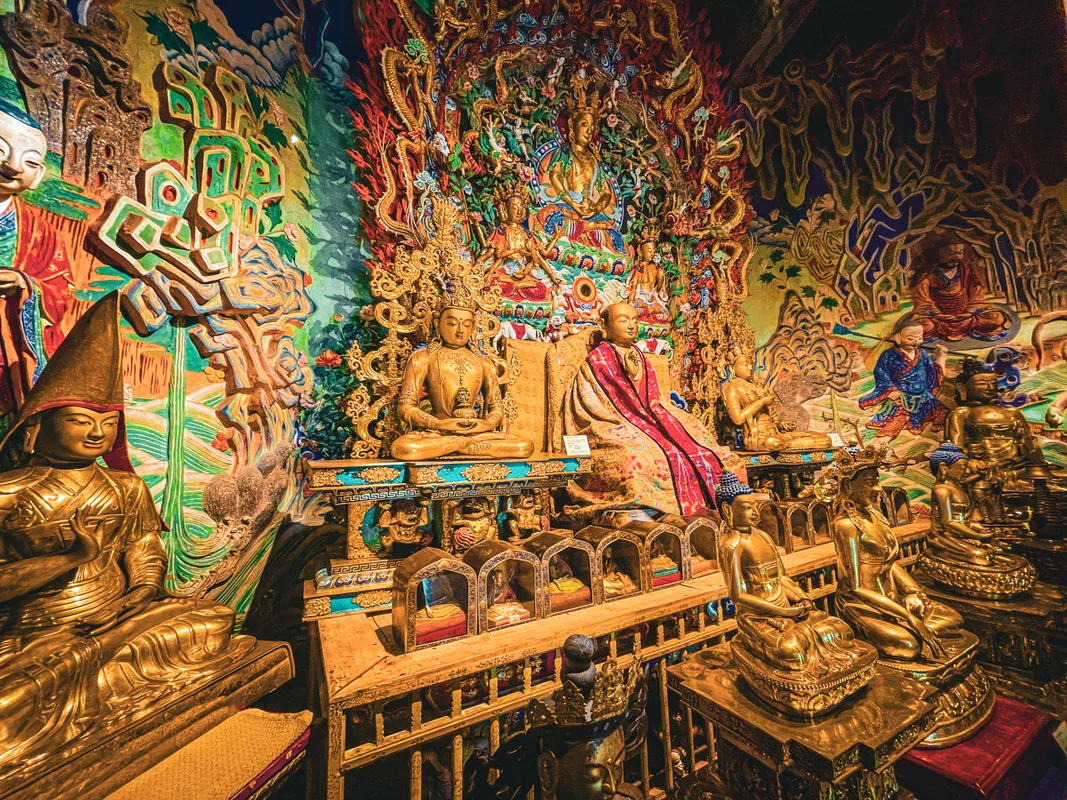
My journey began at Gandan Monastery, the most famous Buddhist temple in Mongolia. I happened to visit during morning prayers, which felt like a unique spiritual experience. This temple is one of the few structures that survived the communist era. Inside, you’ll find a stunning 26-meter tall golden statue of Migjid Janraisig, symbolizing compassion in Buddhism.
I also learned that taking photos inside the temple requires a permit. While it was a bit of an inconvenience, I can't deny that those photos offer profound insights into Mongolian culture and religion.
Conclusion
Miraculously, after all my experiences, I left Ulaanbaatar with an unexpected love for this city. Beneath its cold, polluted exterior lies a vibrant Ulaanbaatar, where you can truly feel Mongolia’s transformation right in the heart of the city. If you plan to visit Mongolia, don’t just view Ulaanbaatar as a transit point; make sure to spend at least two or three days to appreciate the unique qualities this place has to offer.
HereWeGo
HereWeGo is a leading online flight booking platform in Vietnam, providing accurate and up-to-date travel information. We are committed to delivering wonderful travel experiences with the best prices on the market.