
HereWeGo
June 5, 2026 • 3 min read
Nepal is making a strong recovery from natural disasters and political turmoil, showcasing its rich cultural heritage ready for exploration by travelers.
Nepal Rises After the Earthquake
More than a decade after devastating earthquakes reshaped Nepal, the country faces another challenging period. Yet, amid these hardships, Nepal is not only recovering its cultural heritage but also rediscovering its confidence and national identity.
The first impression upon arriving in Nepal is a heavy stillness, as if the country is slowly rising from the storm. An unusually long monsoon season has left many streets flooded well into October, and the political unrest in Kathmandu draws comparisons to the terrifying earthquakes of 2015.
"We've had a tough year," my guide Abit remarked as we left the airport. Despite the devastation, life is beginning to return, with tea vendors setting up early and monks collecting alms in the damp streets.
Nepal is celebrating 75 years of welcoming international tourists, a clear sign of the nation’s rebirth. The Nepali government is now focused on restoring damaged cultural heritage sites, notably the Durbar Squares in Kathmandu, Patan, and Bhaktapur.
Bhaktapur: The Cultural Heart of the Kathmandu Valley
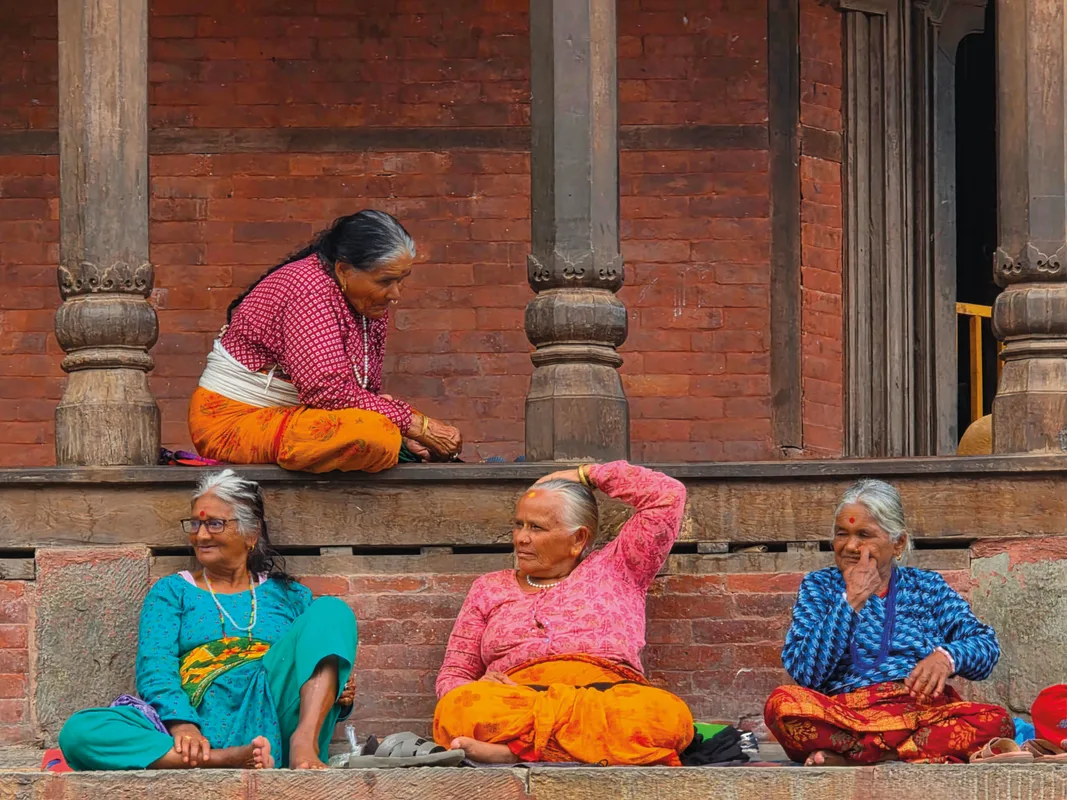
During my exploration, Abit took me to Bhaktapur, regarded as the cultural heart of the Kathmandu Valley. The atmosphere in Bhaktapur feels like stepping back in time, with its red brick courtyards and numerous ancient temples.
✈️ Tìm chuyến bay giá tốt
Đặt vé ngay với giá ưu đãi từ các hãng hàng không
Bhaktapur suffered some of the worst damage in the earthquake, with 129 monuments affected and 67 completely collapsed. However, with the cooperation of the local community, Bhaktapur has quickly begun to recover. "We did everything ourselves without outside help," shared Aditya, a local resident.
Patan: Preserving Cultural Heritage
As I moved on to Patan, I met Dr. Rohit Ranjitkar, who has dedicated decades to managing the restoration of 30 monuments in the city. He emphasized that these buildings are not just artifacts but are “living entities.” “We repair them, not replace them,” he said.
Patan is also the birthplace of the pagoda style, widely recognized in East Asian countries, introduced to China by Newar architect Araniko in the 13th century.
Kathmandu: Restoring Cultural Spaces
Eventually, I returned to Kathmandu, the bustling city known for Boudha Stupa, one of Nepal's most sacred heritage sites. Dating back to the fifth century, it is believed to house relics of the Buddha. After the earthquake, it was the first monument to be restored, symbolizing the valley's ability to revive.
Useful Information for Vietnamese Travelers
If you’re planning a trip to Nepal, keep the following important information in mind:
- Visa: Vietnamese travelers need to obtain a visa before entering Nepal. Visa fees typically range from 30 to 100 USD depending on the length of stay.
- Flight Options: Currently, there are flights from Hanoi (HAN) or Ho Chi Minh City (SGN) to Kathmandu (KTM) with a flight time of approximately 15-20 hours, possibly with layovers in cities like Bangkok or Doha.
- Ticket Prices: Round-trip airfare usually ranges from 12 million to 20 million VND, depending on when you book.
- Currencies: 1 NPR (Nepalese rupee) is approximately 170-180 VND. You can exchange money at the airport or at local shops.
- Travel Season: The best time to visit Nepal is from September to November when the weather is dry and pleasant.
Nepal is not only a travel destination but also a custodian of rich cultural and historical values through its ups and downs. Visitors will not only witness the beauty of the landscapes but also have the opportunity to learn about the resilient spirit of its people.
Article adapted and edited from: Wanderlust Magazine
HereWeGo
HereWeGo is a leading online flight booking platform in Vietnam, providing accurate and up-to-date travel information. We are committed to delivering wonderful travel experiences with the best prices on the market.