
HereWeGo
April 5, 2026 • 3 min read
As Easter approaches, I find myself wanting to share some thoughts about this holiday in the context of our tumultuous world. On Easter Sunday morning, Christians proclaim something extraordinary: death has been defeated, Jesus has risen, and a new kingdom has begun. But what is this kingdom? This q
Reflections on Easter
As Easter approaches, I find myself wanting to share some thoughts about this holiday in the context of our tumultuous world. On Easter Sunday morning, Christians proclaim something extraordinary: death has been defeated, Jesus has risen, and a new kingdom has begun. But what is this kingdom? This question becomes more pressing when we face the reality of the world we live in. And how should we think about our enemies?
A Kingdom That Turns Everything Upside Down
Recently, I was struck by a comment from the U.S. Secretary of Defense, who prayed for "overwhelming violence" against enemies in Iran. I understand this is a natural response. The world is facing real threats from oppressive regimes, instability, and violence (and sometimes we need to look in the mirror ourselves). Governments have a responsibility to protect their people. The Bible does not remain silent on this tension. The Psalms of King David include prayers asking for God’s judgment against enemies: "Lord, break their teeth in their mouths..." These words in Scripture reflect a deep human desire for justice and a yearning to end evil… even a desire for revenge.
A Different Kind of Victory
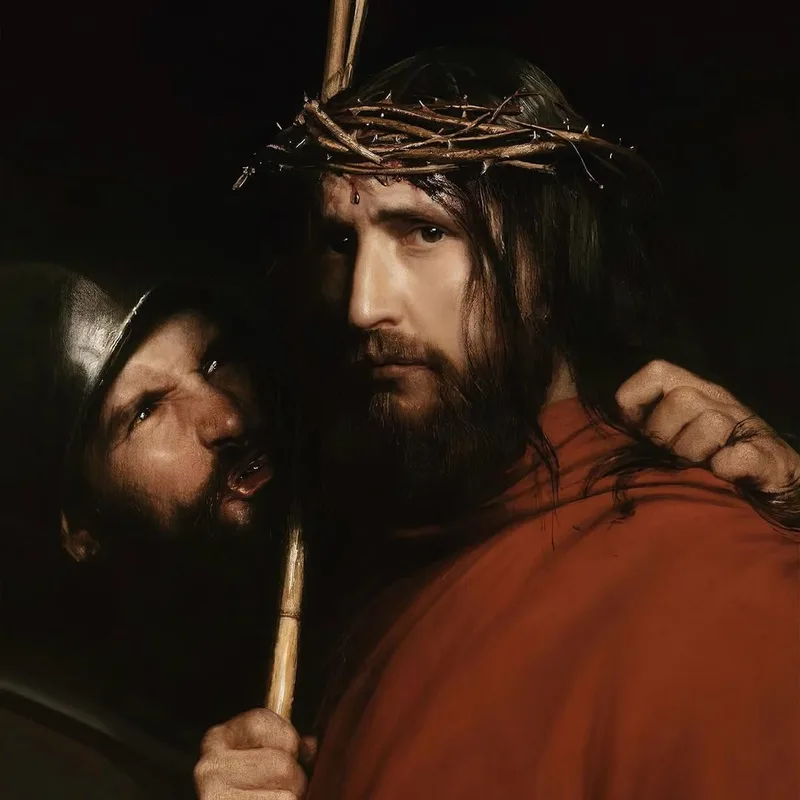
However, Easter changes everything. Jesus did not defeat His enemies through overwhelming violence and punishment. He allowed Himself to be nailed to the cross, absorbing violence rather than unleashing it. He did not call down angels, crush the Roman Empire, or silence His accusers. He said, "Father, forgive them, for they do not know what they are doing." As I wrote last year, this is not how typical kingdoms operate. But that is the crux of the matter. The resurrection is not just evidence of life after death; it reveals a kingdom that operates on entirely different principles.
✈️ Tìm chuyến bay giá tốt
Đặt vé ngay với giá ưu đãi từ các hãng hàng không
Love Your Enemies... But How?
Jesus did not leave this as an abstract idea. He made it painfully specific: "Love your enemies and pray for those who persecute you." This is one of the most radical commandments in the Bible. And if we are honest, it is also one of the most difficult. It is much easier to love those who are kind to us or to pray for those we agree with, or to extend grace when it costs us nothing. But it is incredibly challenging to love those who threaten, oppose, or even hate us.
The Tension We Live In
Governments have a role in restraining evil. The Bible acknowledges that in a fallen world, there is room for power. But for Christians, there is a higher calling that we cannot ignore or reinterpret. We are called to recognize even our enemies as human beings created in the image of God. We are not just to pray for their downfall but also for their repentance. We are called to resist the instinct to dehumanize, even when it seems justified.
Conclusion
Easter is a powerful declaration that violence and death are not the end. The cross may look like a defeat. The resurrection shows it to be a victory. And that victory shapes the way we are called to live: faithfully. This means that even in a world filled with real enemies who threaten us, Christians are called to something higher. We are called to love even when it is hard. To pray when we feel unworthy. And to believe that the kingdom Jesus established is not built on overwhelming violence, but on love that refuses to be overcome by it.
HereWeGo
HereWeGo is a leading online flight booking platform in Vietnam, providing accurate and up-to-date travel information. We are committed to delivering wonderful travel experiences with the best prices on the market.