
HereWeGo
September 13, 2026 • 3 min read
The FAA has mandated fuel line inspections for Delta and Breeze's A220 aircraft, but the situation is not as dire as it may seem.
Overview of the A220 Situation
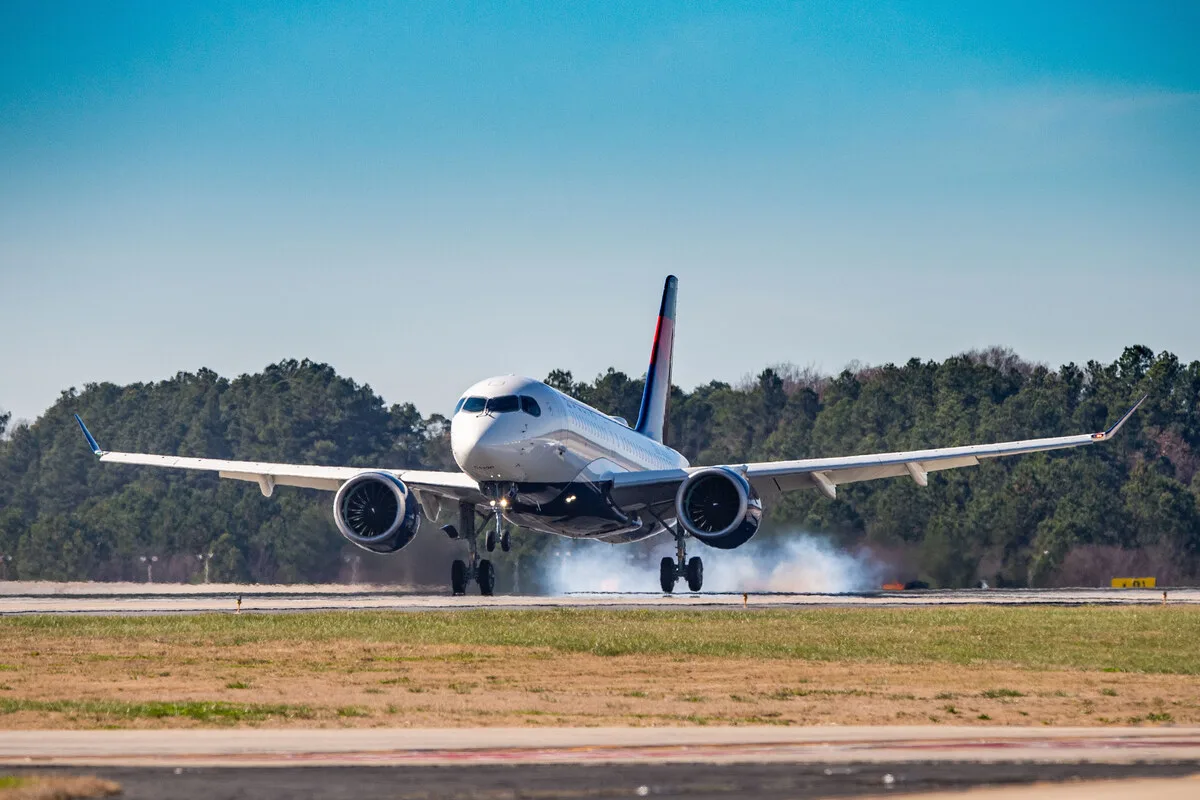
The Federal Aviation Administration (FAA) has issued a directive for fuel line inspections on certain Airbus A220 aircraft operated by Delta, JetBlue, and Breeze. While this may sound alarming, the reality is not as severe as it might appear, and here's why.
Recently, the A220 faced some engine-related incidents, which led to the grounding of several aircraft in the fleet. However, this time, the issue pertains to the fuel lines rather than the engines, and the severity is significantly lower compared to other maintenance directives.
Details on the Fuel Line Inspections
Specifically, the FAA has proposed a new directive concerning the flexible fuel lines on certain A220-100 and A220-300 aircraft. These models are frequently operated by Delta, JetBlue, and Breeze for short to medium-haul flights.
This directive will replace an order from 2021 regarding the same type of component. The Canadian regulatory agency also issued a similar directive about a year prior. None of these aircraft are required to be grounded as they were during previous propeller-related issues.
Concerns Related to Fuel Lines
The fuel lines in question are responsible for transporting fuel within the aircraft's wings. In affected aircraft, these lines could become twisted, posing a risk of rubbing against other components and causing fuel leaks. In such cases, if leaking fuel comes into contact with nearby electrical connections, there is a risk of fire.
Although no safety incidents related to this issue have occurred, the FAA is taking precautions by requiring visual inspections of the lines. If a twisted line is discovered, the replacement costs could be around $10,000 per aircraft.
Costs and Impact
The FAA estimates that this directive will affect 13 A220 aircraft registered in the U.S., including 9 from the 2021 directive and 4 newly identified. The cost for the inspection is approximately $850 per aircraft, which is relatively minor compared to other issues the A220 has faced in the past.
✈️ Tìm chuyến bay giá tốt
Đặt vé ngay với giá ưu đãi từ các hãng hàng không
The ability to identify this problem in only a handful of aircraft demonstrates an excellent tracking and tracing system for components. Despite some manufacturing issues with the A220, manufacturers are still expected to identify problems before the aircraft are delivered.
Why the Situation is Not as Serious as It Seems
This directive only affects a small number of the hundreds of A220s that U.S. airlines operate. For instance, Delta currently has over 80 A220s and continues to expand its fleet.
Although some airlines have ceased operations of the A220 (such as Swiss), the A220-300 remains highly valuable for routes like Boston to Edinburgh and other transcontinental flights. This is one reason why the A220 market in the U.S. is the largest in the world.
A220 Service Capability
The 2-3 seating configuration allows the A220 to provide a better passenger experience compared to the regional aircraft it replaces. Large windows and a quiet cabin are standout features of the A220.
In a low-cost economy, the A220 truly becomes an ideal choice for airlines looking to reduce operational costs while still ensuring passenger comfort.
Conclusion
While wear and tear on components is not uncommon, the detection and resolution of this issue reflect the capability of regulatory agencies to identify problems and act appropriately. This is crucial for the safety and performance of airlines.
It is certain that the A220 will continue to play a significant role in the fleets of U.S. airlines in the future.
Article referenced and edited from: Live and Let's Fly
HereWeGo
HereWeGo is a leading online flight booking platform in Vietnam, providing accurate and up-to-date travel information. We are committed to delivering wonderful travel experiences with the best prices on the market.