
HereWeGo
April 16, 2026 • 4 min read
Discover the art of traditional weaving in Ireland through the perspective of local artisans, learn about efforts to preserve cultural heritage, and find unique products.
A Journey into Ireland's Weaving Heritage
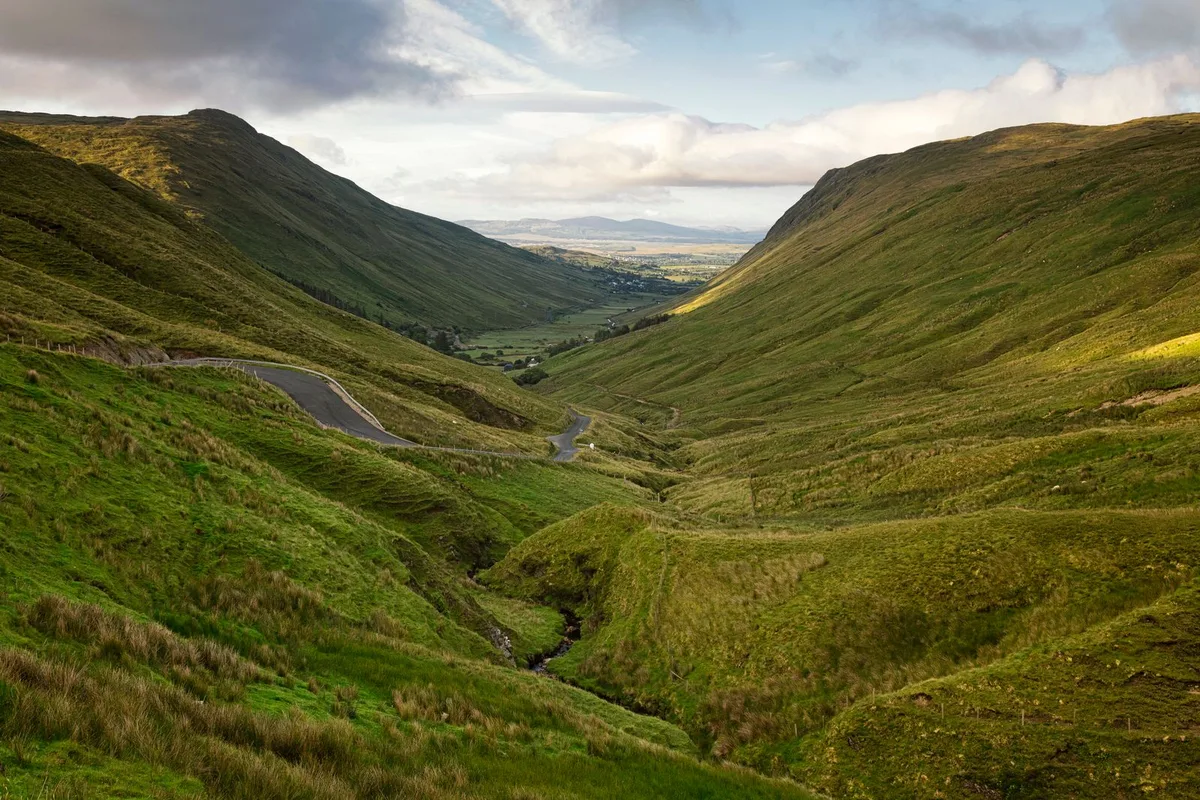
If you want to truly understand Ireland, there's no better way than to drive through its lush green fields, towering cliffs, and pristine coastlines. A trip will surely lead you to interesting stops at local pubs, allowing you to not only take in the sights but also connect deeply with the culture and people of this enchanting country.
Fifteen years ago, founders Sonia Reynolds and Frances Duff embarked on a journey to uncover the remarkable weavers of Ireland. The windswept hills of Donegal, renowned for its traditional weaving, became the backdrop for their discovery of artisans facing the decline of their craft.
The Heritage of Traditional Weaving
As they traversed the length and breadth of Ireland, from the lunar landscapes of The Burren to the wild countryside of Donegal, Reynolds and Duff encountered many locals with poignant stories about the vanishing art of weaving. They met linen and wool weavers, impressed by the quality and beauty of the products they created.
"We are very concerned about the decline in the number of weavers. They say they have to compete with cheap fabrics from abroad, and Irish buyers are few and far between," Reynolds shared.
Starting Up to Preserve Heritage
In 2014, Reynolds and Duff established Stable of Ireland with the goal of conserving Ireland’s traditional textile heritage. Their first collection featured unisex scarves made from Irish linen and large handwoven shawls crafted by artisan Eddie Doherty from Donegal.
Two years later, they opened a store in The Westbury Mall in Dublin, offering a variety of colorful linen scarves and handwoven tweed products. The store was designed as an art space where visitors could learn about the stories and origins of the products.
Challenges and Opportunities
By the end of the 19th century, Ireland was the largest producer of linen in the world, but cheap factories and synthetic fabrics after World War II led to the decline of the local industry. Today, only a handful of linen producers remain in Ireland, even though linen still boasts an outstanding reputation.
✈️ Tìm chuyến bay giá tốt
Đặt vé ngay với giá ưu đãi từ các hãng hàng không
While wool is also a significant part of Ireland's weaving culture, linen weaving once thrived due to the restrictions on wool production, which the British viewed as direct competition to their industry.
Preserving the Future of Weaving
However, wool artisans remain steadfast in their craft, continuing to produce sweaters that embody meaning and quality. Products like the Aran sweater have taken center stage in the film Banshees of Inisherin, thanks to the creativity of costume designer Eimer Ní Mhaoldomhnaigh.
In Donegal, artisans are working hard to protect tweed, a product deeply rooted in their culture, and are in the final stages of applying for Protected Geographical Indication status from the EU.
Advancing Weaving Technology
Only tweed products made in Donegal are allowed to carry the brand label, thereby protecting producers and preserving jobs in the region. This is a significant shift aimed at supporting artisans like Eddie Doherty, Molloy and Sons, and Studio Donegal in creating high-quality products.
Throughout this journey, Reynolds and Duff remain optimistic every time they discover new artisans. "The creative talent in Ireland is incredible. The number of people learning new skills in weaving is increasing significantly. It’s exciting to witness," Reynolds shared.
Useful Information for Vietnamese Travelers
For those looking to explore Ireland and learn about traditional weaving, no visa is required for stays under 90 days. You can fly from Hanoi or Ho Chi Minh City to Dublin with round-trip fares ranging from 18 to 25 million VND, depending on when you book.
The best travel season in Ireland is from May to September, when the weather is pleasant and festivals are in full swing. Plan your visit to not miss the chance to learn about weaving and discover unique products at local markets.
Article source: Condé Nast Traveler
HereWeGo
HereWeGo is a leading online flight booking platform in Vietnam, providing accurate and up-to-date travel information. We are committed to delivering wonderful travel experiences with the best prices on the market.