
HereWeGo
April 1, 2026 • 5 min read
Health and wellness trends seem to be ever-evolving these days, from red light therapy and cold water baths to tech gadgets promising to enhance your well-being. Countless new products and supplements flood the market, all claiming to make you healthier. However, on Japan's Kii Peninsula, the concep
Searching for Renewal on the Kumano Kodo Trail
Health and wellness trends seem to be ever-evolving these days, from red light therapy and cold water baths to tech gadgets promising to enhance your well-being. Countless new products and supplements flood the market, all claiming to make you healthier. However, on Japan's Kii Peninsula, the concept of wellness takes on a different meaning. It’s not about chasing the latest fads, but rather about walking in nature and honoring traditions that have been around for over a thousand years.
During my week on the Kii Peninsula, with its subtropical climate and majestic mountains, I sought genuine wellness therapies to rejuvenate my spirit. I bypassed the more famous tourist spots like Kyoto, Osaka, and Tokyo, opting instead to hike ancient trails beneath towering canopies, visit Buddhist monks at hilltop temples, light prayer candles in rituals, bathe in an onsen, and receive energy therapy from a holistic doctor.
Spiritual Highlights on the Kumano Kodo Trail
Strolling along the Kumano Kodo trail, I felt a serene and spiritually renewing journey unfold. One lesson I took away from this trip was the idea of “borrowing the scenery.” When you look at a landscape, you don’t own it; you’re simply borrowing that view. It belongs to everyone and to nature itself.
In Japan, renewal means letting go of mental anxieties, sitting in silence, and being present in nature. Here, wellness isn’t loud; it’s gentle. And if you have the patience, you’ll find peace among the mountains that seem to embody the divine.
Ancient Paths
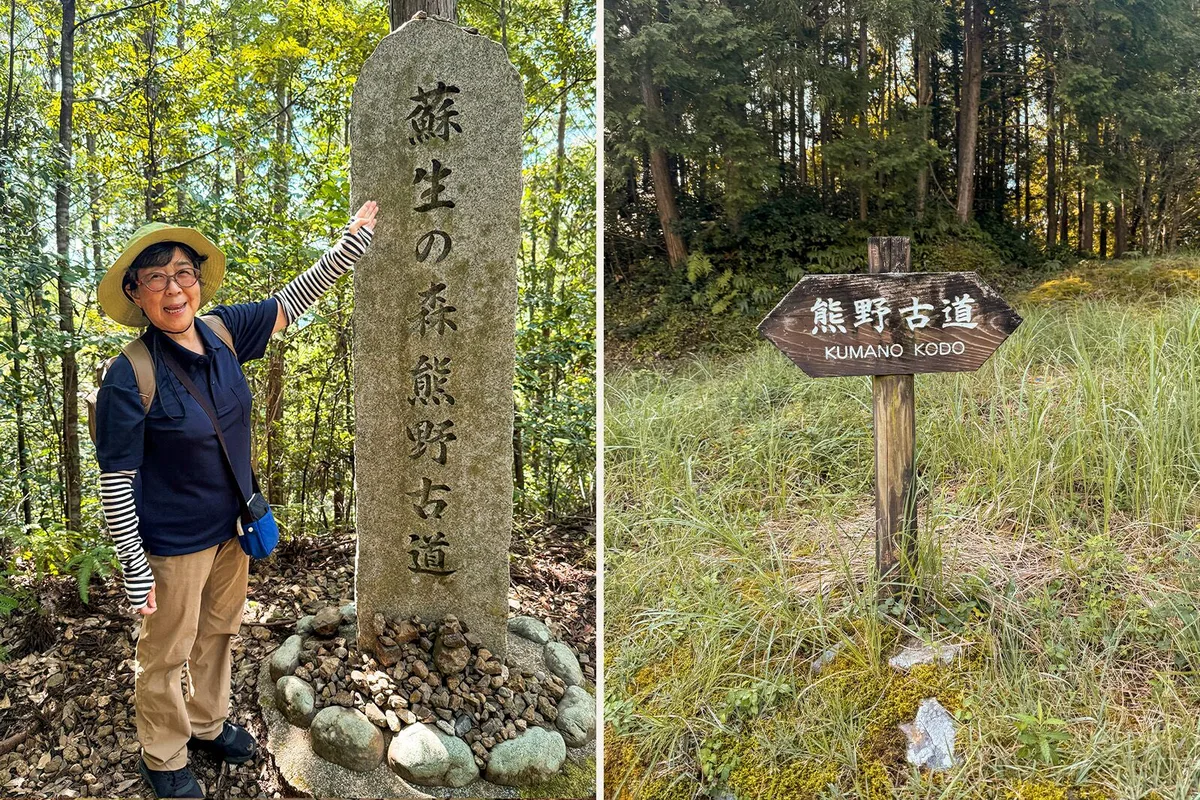
The trail leading to the Hongu Shrine in Tanabe, Wakayama Prefecture, features soft earth paths and moss-covered stone steps that weave through grand cedar trees and vast landscapes. Sunlight filters through the ancient cedars on Nachisan, and as I walked the sacred Kumano path, I felt my burdens begin to lift.
During the Heian period (794–1185), Kumano was one of Japan's most important pilgrimage sites. By the 11th century, emperors and nobles from Kyoto traveled here to pray for purification, renewal, and rebirth along these forest paths. Local legends speak of deities like Hirō Gongen, the god of the Nachi waterfall, and Yama-no-Kami, the spirit of the mountains, residing in the mountains, waterfalls, trees, and rivers.
Ise Jingu and the Concept of Renewal
Ise Jingu, the traditional starting point of the Kumano Kodo trail in Mie Prefecture, is one of Japan's most revered Shinto shrines, dedicated to the ancestral deity of the imperial family. Before entering, I bowed beneath the torii gate—the boundary between the physical and spiritual worlds—then crossed the Ujibashi bridge. At the Isuzugawa riverbank, I performed a hand purification ritual as part of an ancient cleansing rite before stepping into the sacred grounds.
✈️ Tìm chuyến bay giá tốt
Đặt vé ngay với giá ưu đãi từ các hãng hàng không
Worship at a Shinto shrine is simple and respectful: bow twice, clap twice, and bow once more. No photos. No food or drink. This isn’t a tourist attraction. Millions come here each year to pay homage to the sun goddess, Amaterasu-Omikami, and the agricultural deity, Toyouke-no-Okami. Ise Jingu is rebuilt every 20 years in a 1,300-year-old ritual called Shikinen Sengu, where the entire structure is dismantled and reconstructed nearby, reflecting the theme of renewal every two decades.
Kumano Hongu Taisha: A Journey Towards Renewal
I joined a small group to meet Ietaka Kuki, the chief priest (or Gūji) of the Kumano Hongu Taisha shrine, to understand what draws people here. Through an interpreter, I asked him what he wishes for visitors. “Peace,” he said, explaining that being recognized by UNESCO is about uniting humanity through a “path of peace,” where people from all over the world and from any religion can come and find respite.
Kuki-guji invited our group to sit and pray inside the gate, a space typically reserved for government officials and senior monks. We offered prayers to the three main deities: Izanagi (the father), Izanami (the mother), and their significant child, Susano’o (the god of fire). He guided us to listen for the gentle whispers from the deities we prayed to, and we waited in a silence that felt unfamiliar.
Water and Fire: Spirituality Awaits
I visited the Nachi waterfall, a breathtaking sight that sent chills down my spine, with mist refreshing my face. Revered for its healing properties for centuries, this place feels like a deity in its own right. The air shifts, and I felt goosebumps despite the temperature soaring to 90 degrees. A spiritual experience? Perhaps. Or maybe just yūgen, that profound sensation of awe when something in nature is so beautiful it compels reflection.
The Seiganto-ji temple sits beside an iconic red pagoda that overlooks the Nachi waterfall. Speaking with Chiei Takagi, the deputy secretary at the temple, he simply described the purpose of this place: “To merge with nature. To feel that merging. You are a part of nature.” He recounted the story of a monk who lived in the mountains and received healing powers to share with others from this sacred space. What happens here, he explained, is a sharing of energy.
Nara: The Cradle of Japan
Nara Park is a must-visit spot, home to friendly Sika deer that roam freely, eagerly accepting treats. While these deer are undeniably cute and make for perfect photo opportunities, Nara is much more than that. Heijō-kyō (now Nara) became Japan’s first permanent royal capital in 710 AD, often referred to as the birthplace of Japan.
Nara became an iconic site of renewal again when Emperor Showa signed the San Francisco Peace Treaty here in 1951, restoring independence to Japan after World War II. In a sense, Japan was reborn in Nara.
I continued my spiritual journey with two more temple visits. “The deity lies in every detail,” the monk at Hase-dera explained as he led me up steep wooden steps to the main hall. He shared that even the smallest details hold sacredness and respect, the essence of Japanese culture, and I found myself in awe of their understanding of simplicity.
HereWeGo
HereWeGo is a leading online flight booking platform in Vietnam, providing accurate and up-to-date travel information. We are committed to delivering wonderful travel experiences with the best prices on the market.