
HereWeGo
June 15, 2026 • 3 min read
Samanta Bullock, a model with a disability, was denied boarding by British Airways due to the crew's inability to assist her. This incident raises serious questions about the rights and safety of disabled passengers.
The Case of Samanta Bullock
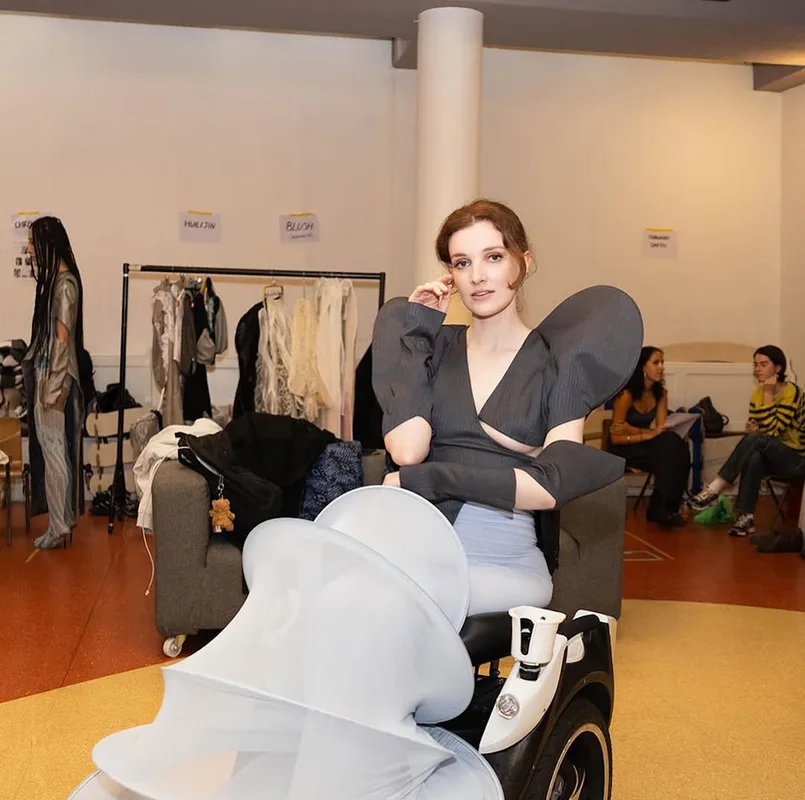
Recently, Samanta Bullock, a model with a disability, shared her unfortunate experience of being denied boarding by British Airways while trying to fly from New York to London. The reason given was that the crew could not assist her with using the restroom or evacuating in case of an emergency. This incident is not just about travel; it highlights deeper issues regarding the rights of disabled passengers.
The Difficult Reality
Samanta, who uses a wheelchair, had planned to fly home after attending a fashion show and a United Nations conference on disability rights. She had booked her ticket nearly two months in advance and was prepared to travel alone, as she had done many times before. However, she was turned away at JFK Airport in New York, with the claim that since she was traveling alone, the crew could not assist her to the restroom during the flight.
Is This a Strict Rule?
Many are questioning whether this decision was simply made by an individual staff member. British Airways has announced that they are reviewing the situation: "We apologize for the customer's disappointing experience and are urgently looking into this matter." Samanta chose to fly with American Airlines instead, but even this airline required her to confirm her ability to access the restroom independently.
Relevant Laws
The situation becomes even more complicated when considering U.S. law. The Air Carrier Access Act mandates that airlines must assist disabled passengers in the cabin, including moving to and from the restroom using a wheelchair. However, the law also states that airlines are not required to provide extensive personal assistance in restrooms, such as help with mobility, personal hygiene, and other private needs.
✈️ Tìm chuyến bay giá tốt
Đặt vé ngay với giá ưu đãi từ các hãng hàng không
Safety Concerns
While assisting disabled passengers is crucial, safety remains a top priority. If a passenger cannot move independently into a wheelchair or manage personal hygiene without assistance, the airline faces challenges in ensuring the safety of all passengers on board.
What’s Fair?
Samanta expresses that if disabled passengers are required to travel with a companion, they end up paying double for the freedom that others can enjoy easily. Traveling with a support person can add significant costs to the trip, and not everyone can find a suitable companion.
British Airways Needs Change
Upon reflection, it seems British Airways mishandled this situation. If Samanta had informed them in advance and had been allowed to fly alone before, denying her boarding at the gate is indeed a major failure. If the reason was simply that the crew did not want to assist her, this contradicts U.S. Department of Transportation regulations.
Conclusion: Rights Must Be Protected
We need to raise questions about the rights of disabled passengers in the airline industry. They deserve to be treated with respect and to have their rights ensured, as well as the ability to travel freely without facing unnecessary barriers. The reality is that the airline industry needs reform to ensure that all passengers have equal opportunities when it comes to boarding flights.
Article adapted from: Live and Let's Fly
HereWeGo
HereWeGo is a leading online flight booking platform in Vietnam, providing accurate and up-to-date travel information. We are committed to delivering wonderful travel experiences with the best prices on the market.