
HereWeGo
April 3, 2026 • 6 min read
Atlas Ocean Voyages is undergoing a significant transformation aimed at elevating its brand to a more luxurious level. Their press releases are now more meticulously crafted, the language has taken on a “boutique” flair, and pricing is more assertive than ever. If you’re skeptical, just take a look
```html
The Current Landscape of Atlas Ocean Voyages
Atlas Ocean Voyages is undergoing a significant transformation aimed at elevating its brand to a more luxurious level. Their press releases are now more meticulously crafted, the language has taken on a “boutique” flair, and pricing is more assertive than ever. If you’re skeptical, just take a look at their new ship, the Atlas Adventurer.
However, the real story extends beyond Atlas simply becoming a more premium choice. The larger issue at hand is that the expedition travel industry has turned “premium positioning” into a survival mechanism. The days of easy discounts, enticing entry-level prices, and filling ships with “deal hunters” are over. Operating costs for small ships are quite high, and it’s time to sell them at their true value.
Shifting Market Approach
Atlas is doing what savvy operators often do as they mature: they are no longer selling access; they are now selling identity. This raises the question of whether their product and market can support this new identity without relying on the beloved discounting tricks of the industry.
Atlas no longer wants to be seen as a “bargain.” They have entered a crowded exploration space and are doing what new brands typically do: competing on value and cost. With modern ships, many all-inclusive offerings, and pricing that makes people ask, “Why is it cheaper…?” Previously, Atlas offered luxury expeditions at a fraction of the cost of competitors.
Rising Prices
This strategy may have worked—until it didn’t. The customers Atlas aims to retain for the long haul are high-end travelers willing to spend more. These are not the kinds of customers you attract with appealing prices and travel deals. You can fill rooms with promotions, but you cannot build a luxury brand solely on them.
If you do, those who built your business will feel “replaced.” Yes, Atlas is changing, but this isn’t a betrayal. It’s simply business. Premium brand positioning is primarily how the industry asserts itself: We want to raise prices and minimize promotions.
The Current Market Context
There’s an important reality to grasp about expedition cruising by 2026: costs are rising, regulations are becoming stricter, and access in some areas is becoming limited. Svalbard is a prime example, but it’s not the only one. The number of ships is decreasing, operating costs are increasing, and compliance requirements are growing. As supply tightens and demand remains steady, the market doesn’t get “better”—it becomes more expensive and less forgiving.
✈️ Tìm chuyến bay giá tốt
Đặt vé ngay với giá ưu đãi từ các hãng hàng không
This situation is not unique to Atlas; it’s reflective of the entire industry. We are seeing higher prices in Svalbard, Antarctica, and other regions, and more people are deciding they too want to explore the world’s remote corners.
The Demand for Premium Experiences
So, when Atlas starts talking about “boutique brand positioning,” it’s not just about aesthetics. It’s a pricing strategy. Premium brand positioning does two things: it allows you to raise prices without being perceived as desperate, while also shifting the conversation from what’s included to the feelings it evokes.
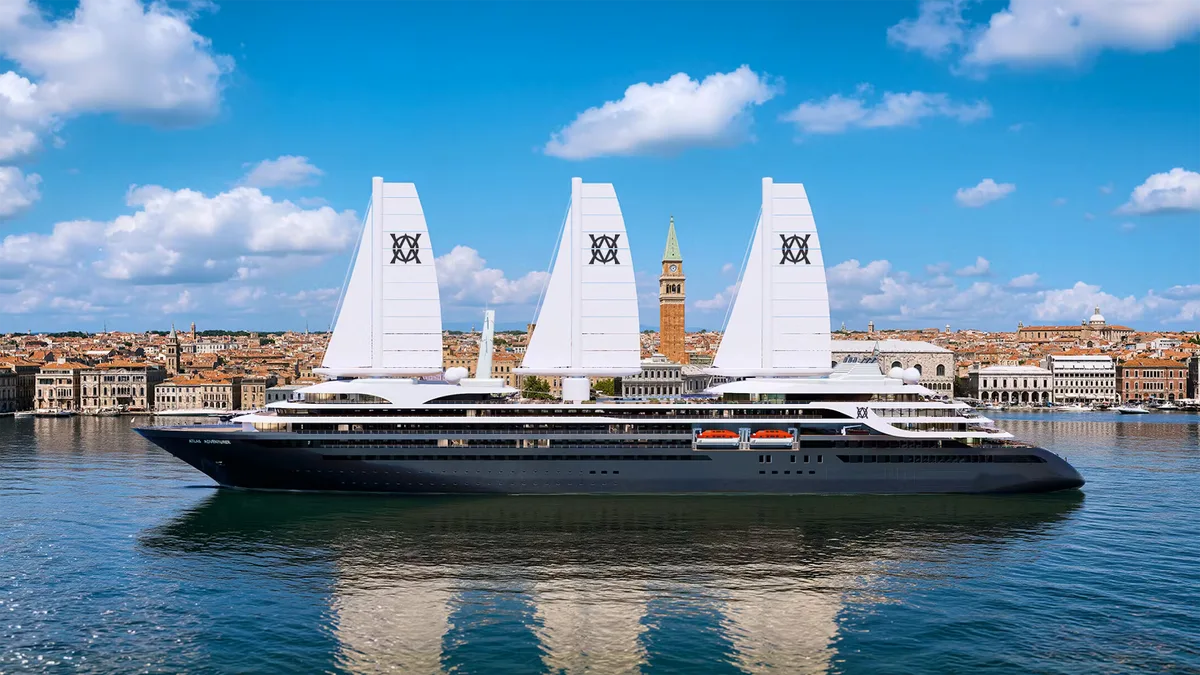
The upcoming Atlas Adventurer (the world’s largest expedition cruise ship, featuring hybrid engines, a battery system, SolidSail technology, and more) is a significant signal that says: “We are not trying to be just a small-value option.” You don’t build such an iconic ship just to compete with yesterday’s discounts. You build it to compete for attention, headlines, and higher profits.
Brands Flooding the Market
The luxury market is becoming crowded! &Beyond, Four Seasons Yachts, Orient Express Sailing Yachts, and many others are competing to offer the best cruising experiences in the world. You also have long-standing brands like Scenic, Emerald, Seabourn, and Silversea, which provide premium experiences on small ships with years of expertise.
So, who does it better? That’s for you to decide. The industry is still selling similar offerings. Many expedition brands are converging on a similar narrative. Take a look at newcomers like Swan Hellenic, Seabourn, and Atlas Ocean Voyages; they’re all marketing the same experience.
Quality Assessment and Differentiation
Established expedition brands like Silversea also promote similar experiences: all suites (or “almost all suites”), diverse dining options (often more marketing than strong differentiation), spa + wellness (since every brand seems to think that’s luxury now), and curated experiences described with soft language like “authentic” and “immersive.” Atlas is leaning into this, and it’s a wise move. But it also signals that expedition cruising is becoming “aestheticized.”
It’s no longer enough to simply reach remote places like Antarctica; now it has to be: quiet, refined, artistic, “yacht-like” (the most used term in cruise brochures). The risk here is that the brand overshoots reality, and premium positioning becomes synonymous with “we’ve added a new open bar and raised our prices.”
Consequences for Passengers
If you’re a traveler, Atlas’s pivot to luxury has real implications. If you loved Atlas for the “deals,” those days seem to be closing. Yes, those booking through Virtuoso advisors like Scott & Thomas still often receive a $150 credit per person or $300 savings per booking. There are still plenty of promotions that can save you $1,000 per person or provide free Wi-Fi.
But if prices from travel deals rise from $6,000 to $12,000, that $1,000 savings won’t look so “amazing” anymore. You may still see value, but the opportunities for “incredible last-minute deals” are dwindling, especially in restricted areas. After all, the 2025/2026 cruise season is over 90% sold out, and more than half of 2026/2027 is also gone. Hot deals are becoming increasingly scarce.
Conclusion: The Maturation of Atlas
If you’re seeking a more refined expedition experience, this shift is good news. Expect products to trend toward: enhanced service, more intentional design, diverse culinary offerings, tranquility, and more premium positioning. However, if you’re like me and skeptical of cruise marketing, you should proceed with caution. Keep an eye on: the frequency of new sustainable technologies being utilized, whether “more destinations” and the new ship genuinely enhance quality, and if the expedition program continues to be rich as luxury increases.
In summary, Atlas’s transition to luxury is not surprising; it’s essentially a rite of passage.
```HereWeGo
HereWeGo is a leading online flight booking platform in Vietnam, providing accurate and up-to-date travel information. We are committed to delivering wonderful travel experiences with the best prices on the market.